
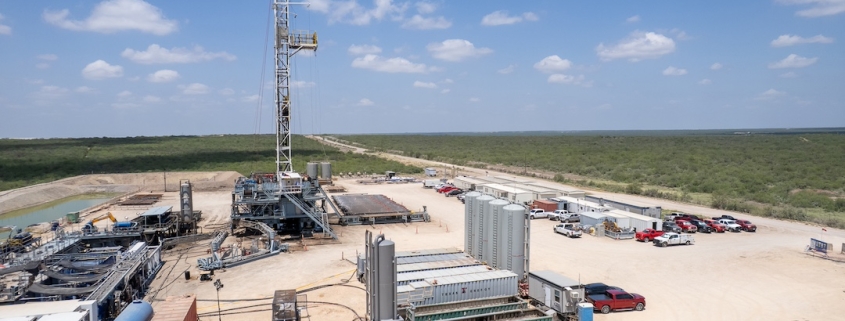
South Texas has a way of keeping things interesting. This job was a perfect example of what happens when multiple systems need to work side by side on one location, all while keeping pressure control clean, predictable and safe.
One Location, Multiple Systems
We showed up to a unique setup with a couple of different operations happening at the same time. On one end of the location, an MPD system was dumping into its own gas separator. On the other end, our offline cement manifold was tied into a separate gas separator.
That meant two gas separators on the same pad, in two different packages, each supporting its own flow path and each needing reliable control.
Keeping the Rig Floor Simple
While those systems handled their work, the rig floor was still running standard hydraulic chokes during drilling. That’s where the challenge comes in. When you have multiple pressure control points operating in the same space, you need equipment that can adapt without creating confusion or bottlenecks.
Pressure control is not just about holding pressure. It’s about making sure every part of the site responds the way the crew expects, every time.
Flexibility That Matches the Field
Real-world rig conditions rarely fit into a neat diagram. The layout changes, the flow paths shift and the equipment has to be ready for it. This job demanded flexibility across the site and a clean approach to pressure control from end to end.
That’s exactly what we build for. Systems that can tie in where they need to, perform the way they should and support the operation without slowing anything down.
The Takeaway
This South Texas job brought together MPD, cement and drilling operations in one location. It was a strong example of how the right equipment and the right planning make multi-system pressure control look easy, even when the setup is anything but.



